Drug Tourism: A case study

Drug tourism is getting more and more popular each year as more places are legalizing soft drugs, such as marijuana, which attract tourists that want to try them. One specific example of this is the Netherlands, that is having an influx of tourists every year.

There, many tourists choose to visit for the lovely attractions but also because they can legally enjoy drugs that are illicit in their own country. This coffee shop industry generates billions of euros each year, but there is a slight pradox to it. The production of marijuana is illegal, but the selling of it is not. So who is the one producing it?

Different gang associations and the mafia, according to the Irish Times, are the ones that supply the drug to the coffee shop owners, and as more tourists request it every year, more needs to be available. This is causing a problem for the government as they are not able to tax the suppliers since it is considered a criminal activity. Therefore, by decriminalizing this activity the economy could grow, as roughly 4 billion euros are produced from it each year. Legalization of mass production of recreational marijuana could be done, but the effects of it are still not certain as not all aspects have been covered, such as the opinion of the EU etc.

Going back to drug tourism, it also puts the tourists in danger sometimes, as many are not aware of what they are buying.
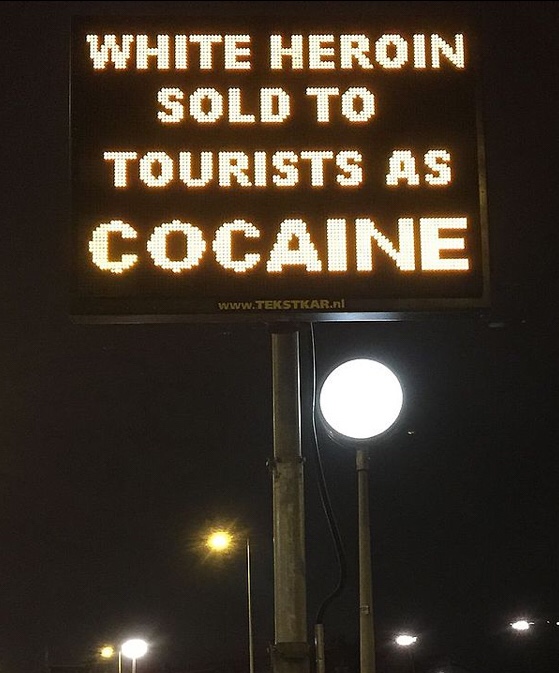
This warning sign was displayed in Amsterdam after tourists died because of this incident. Thus, it still shows how the recreational drug industry is still poorly regulated as it is illegal.

So, should there be a decriminalization of the selling and distributing of drugs? Honestly, I don’t know. It would impose growth on the economy and make the consumption of drugs safer, thus saving lives. On the other hand, to what extent would people agree with it and how will illegal organizations such as the mafia be affected?

Do face masks help in not getting infected with the coronavirus (COVID-19)?

Lately I had been travelling and noticed that a lot of people had been wearing face masks because of the coronavirus outbreak that is currently happening. In the airport, many workers had gloves on to handle passports and almost everyone was walking with a blue surgical mask covering their face. This left me wondering, to what extent do these face masks help you in not getting infected?

undefined

Surgical masks outside of healthcare areas are usually used for those that are already infected as to not infect any more people. Right now, according to Business Insider, there is a shortage of surgical masks as many are buying them to protect themselves against the coronavirus; this massive hysteria has caused an inflation in surgical mask prices, as supply decreases and demand increases exponentially while the virus makes its way around the world. But at what point does the demand become unrealistic? According to CNN, the blue disposable surgical masks do not help much in not getting infected with the coronavirus.

The blue surgical masks are designed as a physical barrier, preventing any bacteria- droplets from getting into a worker’s mouth during surgery, and preventing any droplets from coming out of a sick person’s mouth, while coughing. They aren’t designed to keep microorganisms from coming in through the air, as they are not capable of filtering them. However, respirators are what help in not getting infected, as they have a 95% filtering capability. As well as respirators, one can wash their hands frequently to prevent contamination and avoid close contact with people that have been infected. If you think you might be exhibiting any symptoms, contact a healthcare provider as to not put others around you at risk.

In conclusion, the masses are buying masks because there isn’t much one can do if they get infected with a virus (when there isn’t a vaccine) and it gives an extra layer of safety. Perhaps we can find a new method of fighting viruses effectively and being available to all.

Design a site like this with WordPress.com
Get started